
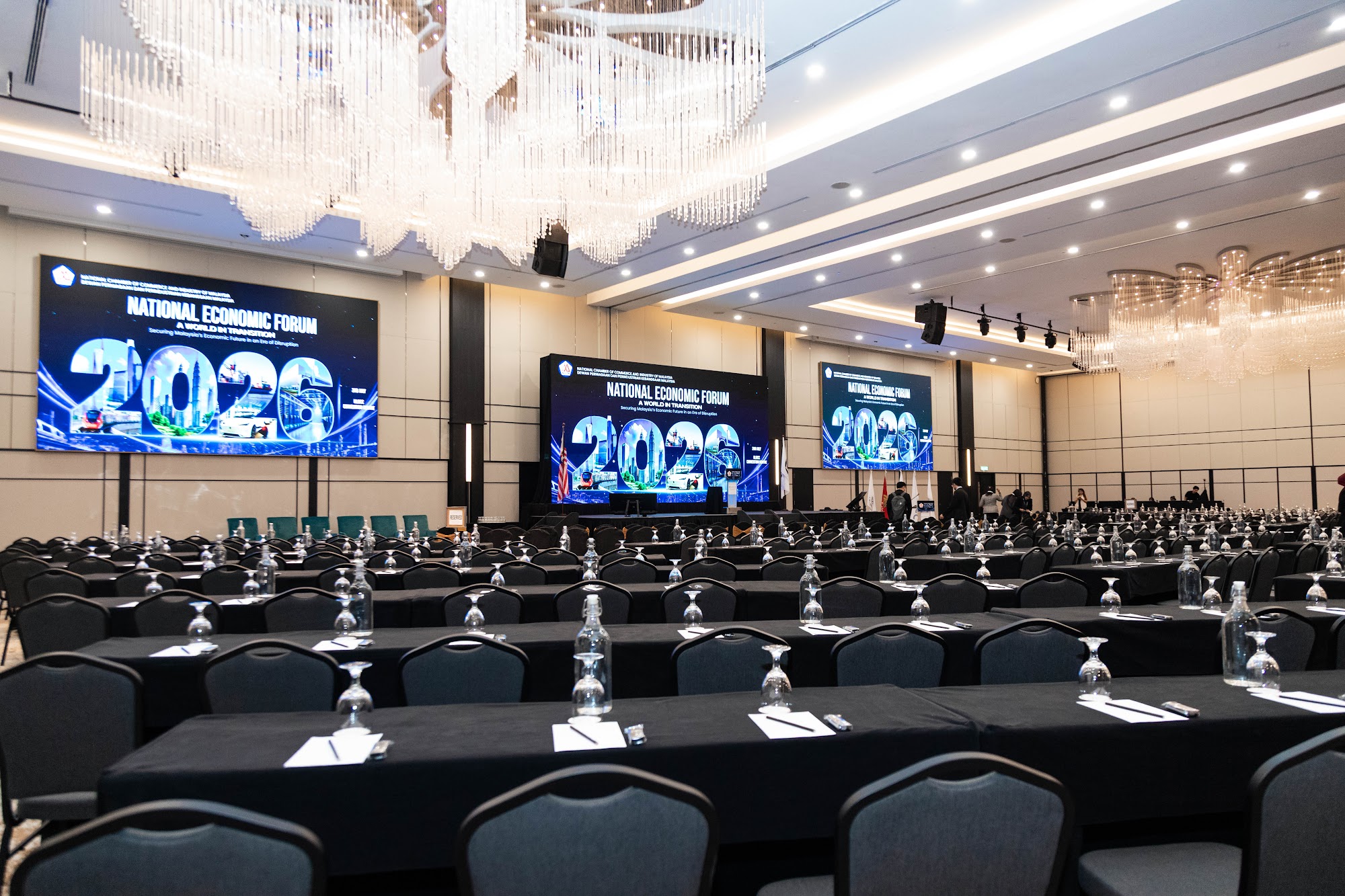
Ask three event companies to quote for the same annual dinner and you will often get three very different numbers. That is not because one of them is overcharging and the others are not. It is usually because each quote is built on different assumptions about what the event needs, what is included, and who supplies what.
This guide explains how event organisers in Malaysia usually price their work, the factors that move the number up or down, and how to brief a company so the quote you receive reflects the event you actually want. If you are still deciding whether to hire help at all, our event management services page explains what a full-service organiser takes off your plate.
How event organisers in Malaysia usually charge
There is no single pricing model in the industry, but most quotes fall into one of three shapes:
- All-in package. One price covers concept, production, manpower and management. This is the most common format for corporate dinners, launches and conferences because the client only deals with one invoice.
- Management fee plus costs. The organiser charges for planning and on-site management, and the production, venue and talent costs are listed separately. This suits clients who want full visibility of every line.
- Per-item or per-service. You book specific pieces, such as a stage and sound system, an emcee or a photo booth, and coordinate the rest yourself.
None of these is better by default. What matters is that you compare quotes in the same shape. An all-in package will always look more expensive than a management fee on its own, even when the final spend ends up similar.
The seven things that move the price
1. Guest count and event length
More guests means more seating, more food, more crew and often a bigger venue. A half-day seminar and a two-day conference for the same number of people are very different jobs, because crew, equipment and venue are booked for longer.
2. The venue and what comes with it
Hotel ballrooms usually bundle food, tables, basic lighting and in-house sound into a per-guest package. Event spaces, convention halls and outdoor sites often come empty, so staging, furniture, power, canopies and catering all have to be brought in. An empty venue is not necessarily cheaper once everything is added.
3. Production: stage, screens, sound and lighting
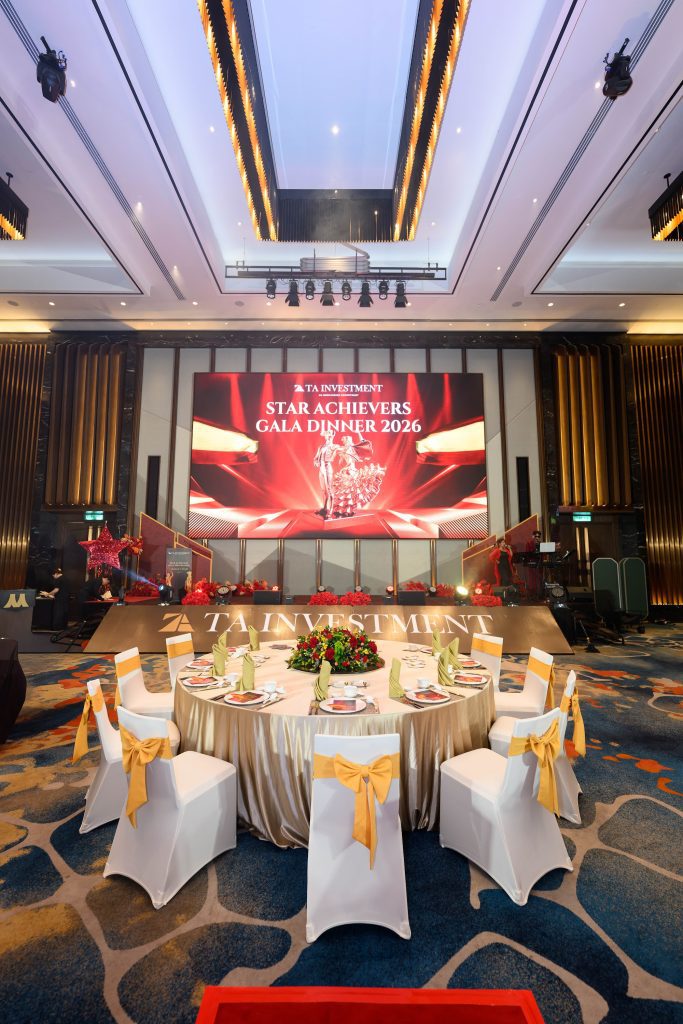
Production is often the largest single block in a corporate event budget. LED walls, stage builds, lighting rigs and a proper sound and lighting setup scale with the size of the room and the ambition of the show. A speech-and-dinner format needs far less than an awards night with live acts and video segments.
4. Creative concept and theming
A themed event needs design work, custom backdrops, props, styling and sometimes costume or dress-code support. The cost depends less on the theme itself and more on how much of it is built physically versus suggested through lighting and graphics.
5. Entertainment and talent
Emcees, live bands, DJs, dancers and specialty acts are priced by the performer and the length of the slot. Well-known names cost more and book out earlier, especially during the year-end and Chinese New Year dinner season.
6. Manpower
Crew for setup and teardown, technicians, ushers, registration staff and a show caller on the night all add up. A tight timeline, such as a hotel that only releases the ballroom a few hours before guests arrive, needs a bigger crew working in parallel.
7. Lead time
Rush jobs cost more. Short notice limits venue and talent choices, leaves less room to negotiate with suppliers, and can mean overtime for fabrication. Starting early is one of the simplest ways to protect your budget.
Why two quotes for the same event can be so different
When quotes are far apart, the gap usually comes from one of these:
- Different scope. One company has included a rehearsal, a contingency allowance or a photographer, and the other has not.
- Owned versus rented equipment. Organisers who own their staging, lighting and fabrication tools can control quality and avoid stacking a markup on top of a rental supplier’s price.
- Crew ratios. A cheaper quote may assume fewer people on site, which shows up on the night as slower registration or longer changeovers.
- Specification. “Stage with LED screen” can mean very different sizes and resolutions. Ask for dimensions and models, not just item names.
We cover the industry side of this, including how large public events offset costs through sponsorship and partnerships, in Cost-Effectiveness and Sustainability in Event Organising.
Where your budget makes the biggest difference to guests
Guests rarely remember the table linen. They remember how the evening felt. If you need to prioritise, put money where it shapes the experience:
- The arrival. The first two minutes set expectations for the whole night: the entrance, the welcome, the first thing guests see.
- One signature moment. A reveal, a performance or an interactive activity that people talk about the next day does more than spreading budget thinly across many small touches.
- Sound. Poor audio ruins speeches, awards and entertainment alike, and guests notice it immediately.
- Pacing. A tight run of show with smooth transitions keeps energy up. This costs planning time more than money.
Areas where you can usually save without guests noticing include heavy decoration in spaces people only pass through, excessive printed collateral, and premium upgrades in areas outside the main sightline.
How to brief an organiser for an accurate quote
The more specific the brief, the closer the first quote will be to the final bill. Before you contact an organiser, prepare:
- The event date, or a range of possible dates.
- Expected guest numbers, and whether that number is firm.
- Whether a venue is already booked, and what its package includes.
- The purpose of the event: rewarding staff, launching a product, hosting clients, or something else.
- Your must-haves, such as an awards segment, a specific performer or halal catering.
- A budget range. Sharing it saves time, because the organiser can design to it instead of guessing.
Frequently asked questions
Is it cheaper to book vendors directly?
Sometimes on paper, but you take on the coordination, the risk of vendors not working well together, and the time your own team spends managing them. For small, simple events, direct booking can work. For anything with production, entertainment and a tight run of show, a single accountable organiser usually saves more than it costs.
Can an organiser work within a fixed budget?
Yes. A good organiser will tell you what the budget can realistically achieve and suggest where to focus it, rather than quoting a wish list and cutting later.
Do event organisers ask for a deposit?
Most do, to secure the date and start booking suppliers. Confirm the payment schedule, what is refundable and the cancellation terms in writing before you sign.
Get a quote built around your event
TDGAsia plans and produces corporate events across Malaysia with our own production team and equipment, so we can show you exactly where your budget goes and where it will make the most impact on your guests. Share your brief with us and we will come back with a clear, itemised proposal.
